

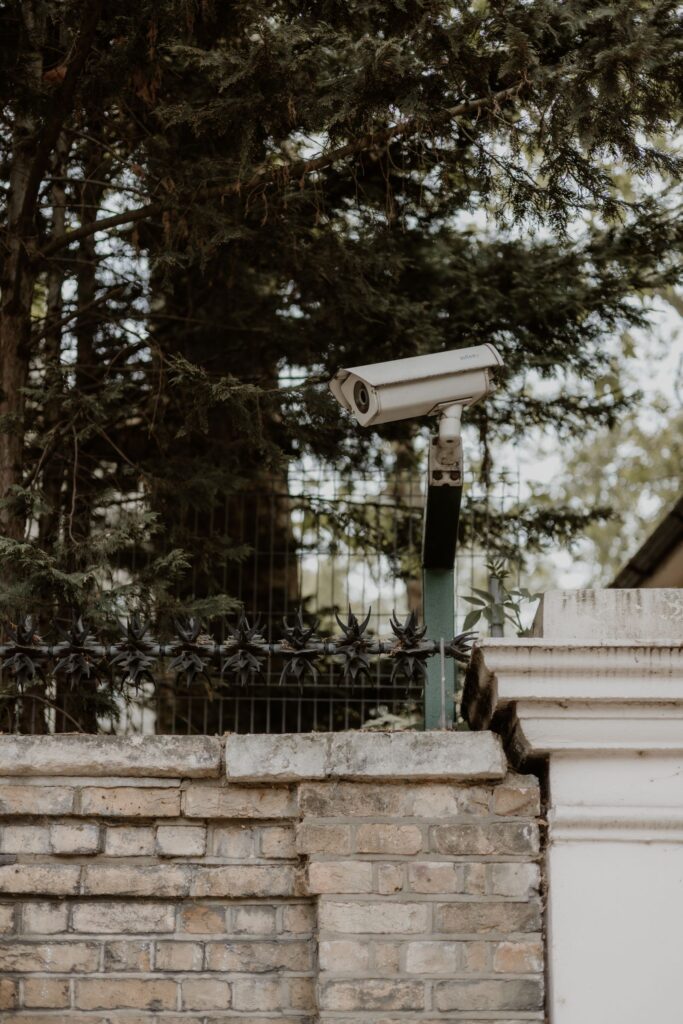
Short answer: put cameras where intruders actually enter and move — every ground-floor door, first-floor windows, the driveway and front walk, the main hallway or stairs, and the garage — mounted 8–10 feet high and angled down. Keep them out of bedrooms and bathrooms, and never point them into a neighbor’s home. The rest of this guide walks through exactly where to put each camera, the spots to avoid, the mounting details installers get right, and the Texas privacy rules that apply.
Key takeaways
- Cover the four high-value zones first: front door, back/side doors, ground-floor windows, and the driveway.
- Mount cameras 8–10 feet up and angled down — high enough that no one can knock them out, low enough to catch faces and plates.
- Never place cameras in bedrooms, bathrooms, or anywhere aimed at a neighbor’s property — it’s a privacy problem and can be illegal.
- In San Antonio’s sun and heat, face cameras away from direct sun and use weather-rated (IP65+) outdoor units.
- Most break-ins come through a door or first-floor window — placement should follow how burglars actually move, not just cover the prettiest angles.
- For higher-value homes, public figures, or businesses, consider live video monitoring — a real operator who can watch alerts, speak to someone on the property, and dispatch police in real time.
- Start by thinking like an intruder
- Where to install security cameras (home)
- Where NOT to place security cameras
- The placement details installers get right
- Beyond placement: live video monitoring for higher-value properties
- Cameras for a business or storefront
- Camera placement and Texas privacy law
- Common placement mistakes to avoid
- Let a local pro map it for you
- Frequently asked questions
Start by thinking like an intruder
Before mounting anything, walk your property from the outside the way a burglar would and ask: where would I try to get in, and which way would I move once inside? Most break-ins happen at a ground-floor door or a first-floor window — not some clever hidden entry. Good camera placement simply follows those paths: cover the ways in, then cover the route an intruder takes through the house.
That single shift — covering entry points and travel paths instead of just “putting a camera on each wall” — is the difference between footage that solves a case and footage that shows the back of someone’s head as they leave.
Where to install security cameras (home)
These are the priority spots, roughly in order:
- Front door. The most-used entry — and where package theft and unwanted visitors show up. A video doorbell or a camera covering the entry is the single most valuable placement in most homes.
- Back and side doors. Burglars love the doors you can’t see from the street. Cover every ground-floor exterior door.
- First-floor windows. Especially windows hidden behind fences, bushes, or on the side of the house. If someone can climb through it, a camera should see it.
- Driveway and front walk. An outdoor camera covering the driveway captures vehicles, license plates, and anyone approaching — often before they reach the house. This is also your best deterrent shot.
- Main hallway or stairs. Place one camera where an intruder has to pass to reach the rest of the home — usually a first-floor hallway or the bottom of the stairs. If you only get one indoor camera, put it here.
- Garage. Cars, tools, and the interior door into the house all live here. An attached garage is a common entry point people forget to cover.
Optional, depending on your layout: the back yard (person-detection cameras cut down on animal false alarms), a second-floor hallway if valuables are kept upstairs, and a basement or detached building with exterior access.
One Texas-specific note: indoor cameras pointed through a window to watch the yard usually don’t work well — the glass defeats motion detection and creates glare, and in our summer sun that glare is brutal. Use a real outdoor camera for outdoor areas.
Where NOT to place security cameras
Just as important as where to put cameras is where to keep them off:
- Bedrooms and bathrooms. Off-limits for privacy reasons, even your own — these are also the cameras hackers target most. The trade-off isn’t worth it.
- Aimed at a neighbor’s home or yard. This is both a courtesy and, in many situations, a legal line (more below). Frame your shots so it’s clear the camera protects your property.
- Anywhere it’s easy to reach and disable. A camera at eye level is a camera an intruder can cover, turn, or rip down in two seconds.
The placement details installers get right
Where you aim a camera matters as much as which room it’s in. After years of installing systems across San Antonio homes and businesses, these are the details that separate usable footage from wasted storage:
- Mount high — 8 to 10 feet. High placement covers more area and keeps the camera out of reach. Angle it down toward faces and entry points.
- Use corners indoors. A camera in the corner of a room, angled across it, can cover nearly the whole space with one device — fewer cameras, fewer blind spots.
- Point away from the sun. In Texas, south- and west-facing cameras fight glare and heat all afternoon. Face them north where you can, mount them under eaves, and use cameras with HDR for high-contrast scenes. This also extends the camera’s life in our climate.
- Overlap your coverage. Set cameras so one camera’s view begins where another’s ends. Overlapping zones mean no single blind spot leaves a gap, and a disabled camera doesn’t blind you completely.
- Make outdoor cameras visible, keep some indoor ones discreet. A visible exterior camera deters break-ins before they happen; a less-obvious indoor camera still captures anyone who ignores the warning.
- Use weather-rated gear outdoors. Look for at least an IP65 rating so rain, dust, and San Antonio heat don’t shorten the camera’s life.
- Test before you mount. Confirm the angle, the Wi-Fi or cellular signal, and the motion zones before you drill. Re-aiming a mounted camera is the most common DIY redo we get called to fix.
Beyond placement: live video monitoring for higher-value properties
Placement decides what your cameras see — but on higher-stakes properties, what happens when the camera sees something matters just as much. For higher-value homes, public figures, and businesses, we increasingly recommend professional live video monitoring on top of well-placed cameras.
Instead of a camera that simply records for later, a trained operator watches alerts in real time, can speak directly to someone on the property through the camera, and dispatches police with eyes-on verification if a threat is real. That turns your camera system from an after-the-fact record into active prevention — someone is actually watching the high-risk angles (entrances, driveways, perimeter, after-hours zones) and can intervene the moment it counts.
It’s not for every home, but for those with valuables, privacy and safety concerns, or a business exposed after hours, it’s the highest level of protection — and it’s worth designing your camera placement around the angles a live operator would most need to see. We can walk you through the options.
Cameras for a business or storefront
Commercial placement follows the same logic with a few additions. Cover every public entrance and the point of sale, the back/receiving door and loading area (a frequent after-hours target), parking lots and exterior approaches, and any cash-handling or inventory room. Businesses also have to think about employee-privacy rules and signage — areas like restrooms and designated break rooms stay off-limits, and many businesses post notice that the premises are monitored. If you run a storefront, office, or warehouse in the San Antonio area, this is worth getting professionally designed rather than guessed at.
Camera placement and Texas privacy law
A few rules every camera owner should know:
- You generally can record your own property, including areas visible from it — but you cannot surveil someone else’s home or a space where they have a reasonable expectation of privacy. Courts have long held the home is protected, so keep your cameras pointed at your property.
- It’s usually fine if a sliver of a neighbor’s yard is in frame, as long as the camera’s clear purpose is protecting your home — not peering over a privacy fence or into their windows.
- Audio is treated more strictly than video. Texas is a one-party-consent state for recording conversations, but security-camera audio of others can still raise issues; when in doubt, run video-only on cameras near property lines.
- Check your city, HOA, and any local ordinance before mounting exterior cameras — rules vary, and a quick check beats a complaint later.
This isn’t legal advice — if you have a specific dispute or an unusual setup, talk to a local attorney. But for the vast majority of homeowners, “aim it at your own property and skip private spaces” keeps you well on the right side of the line.
Common placement mistakes to avoid
- Mounting too low (reachable, and only catches torsos, not faces).
- Pointing straight into the sun or a bright window — silhouettes instead of faces.
- Relying on an indoor camera to watch the yard through glass.
- Leaving the back or side door uncovered because it’s “out of sight.”
- Never testing the angle or motion zones, then discovering the gap after an incident.
Let a local pro map it for you
Camera placement is exactly the kind of thing that’s easy to almost get right — and the gaps only show up after something happens. As a local, licensed San Antonio company, we’ll walk your home or business, map coverage to how an intruder would actually move, and install everything at the right height and angle the first time. And we do it with no long-term contract, professional monitoring for a flat $19.99/month, and equipment you own — not gear you rent forever.
Get a free, no-obligation camera assessment and we’ll design coverage for your property.
Frequently asked questions
Cover your main entry points first — the front door, any back or side doors, ground-floor windows, and the driveway — plus the main hallway or stairs inside. Those spots capture how intruders actually enter and move through a home.
Keep cameras out of bedrooms and bathrooms for privacy, don’t aim them into a neighbor’s home or yard, and avoid spots low enough for someone to easily disable.
About 8 to 10 feet off the ground, angled downward. That’s high enough to stay out of reach and cover a wide area, but still low enough to capture faces and license plates.
Cameras can capture areas visible from a neighbor’s property, but they can’t be used to surveil inside your home or a space where you’d reasonably expect privacy. If a camera is clearly aimed into your windows or private yard, that may cross a legal line — start with a conversation, and consult local counsel if needed.
Most homes are well covered with four to six: front door, back/side door, driveway, and one or two key interior or yard angles. The right number depends on your layout and entry points — a quick walkthrough makes it clear.
Many cameras are DIY-friendly, but placement, mounting height, weatherproofing, and eliminating blind spots are where systems usually fall short. For whole-home or business coverage, a professional design avoids the expensive redo.
With live video monitoring, a trained operator watches your camera alerts in real time, can speak directly to someone on the property, and dispatches police with eyes-on verification — preventing a crime in progress rather than just recording it. It’s especially valuable for higher-value homes, public figures, and businesses, and it’s worth planning your camera angles around the views an operator would most need.